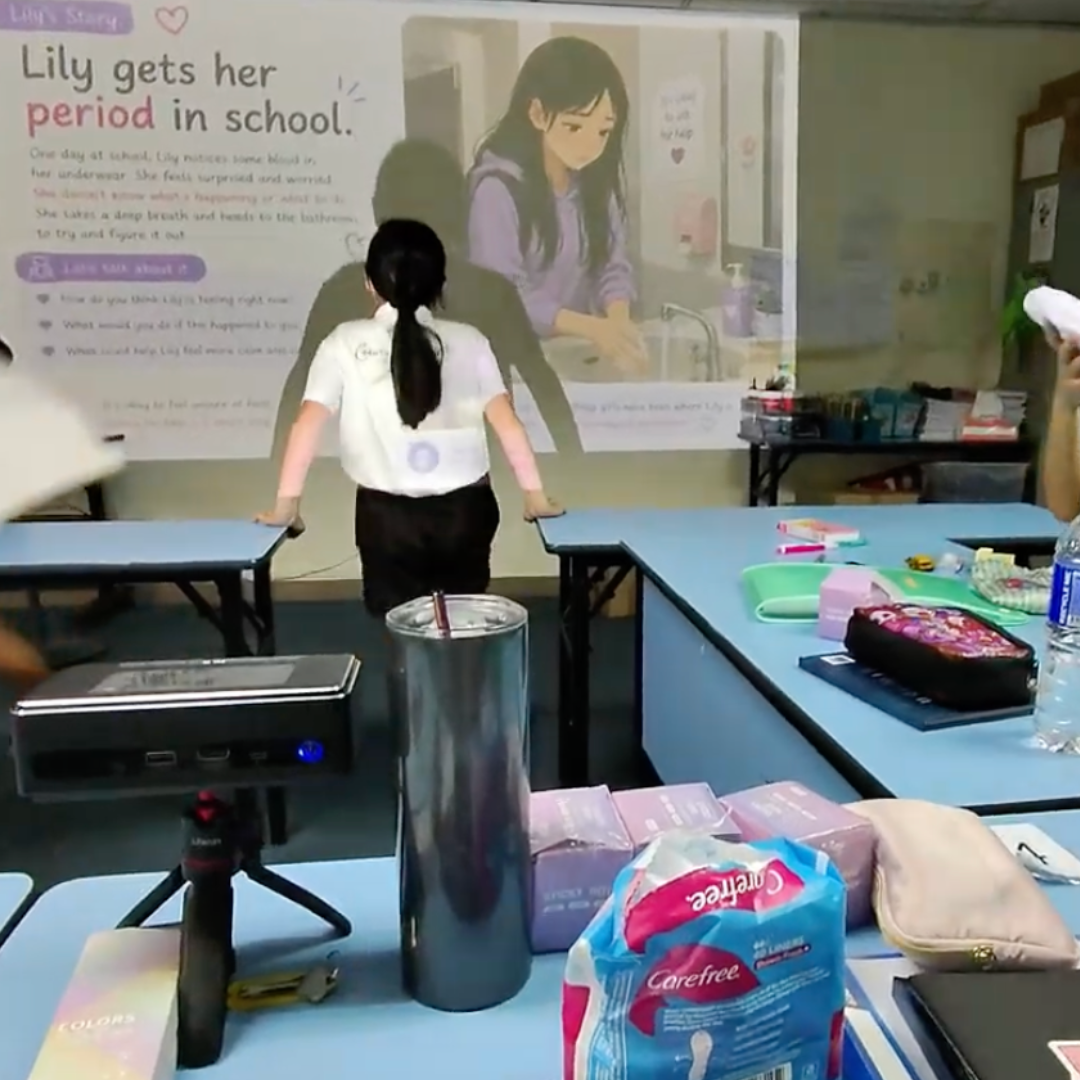
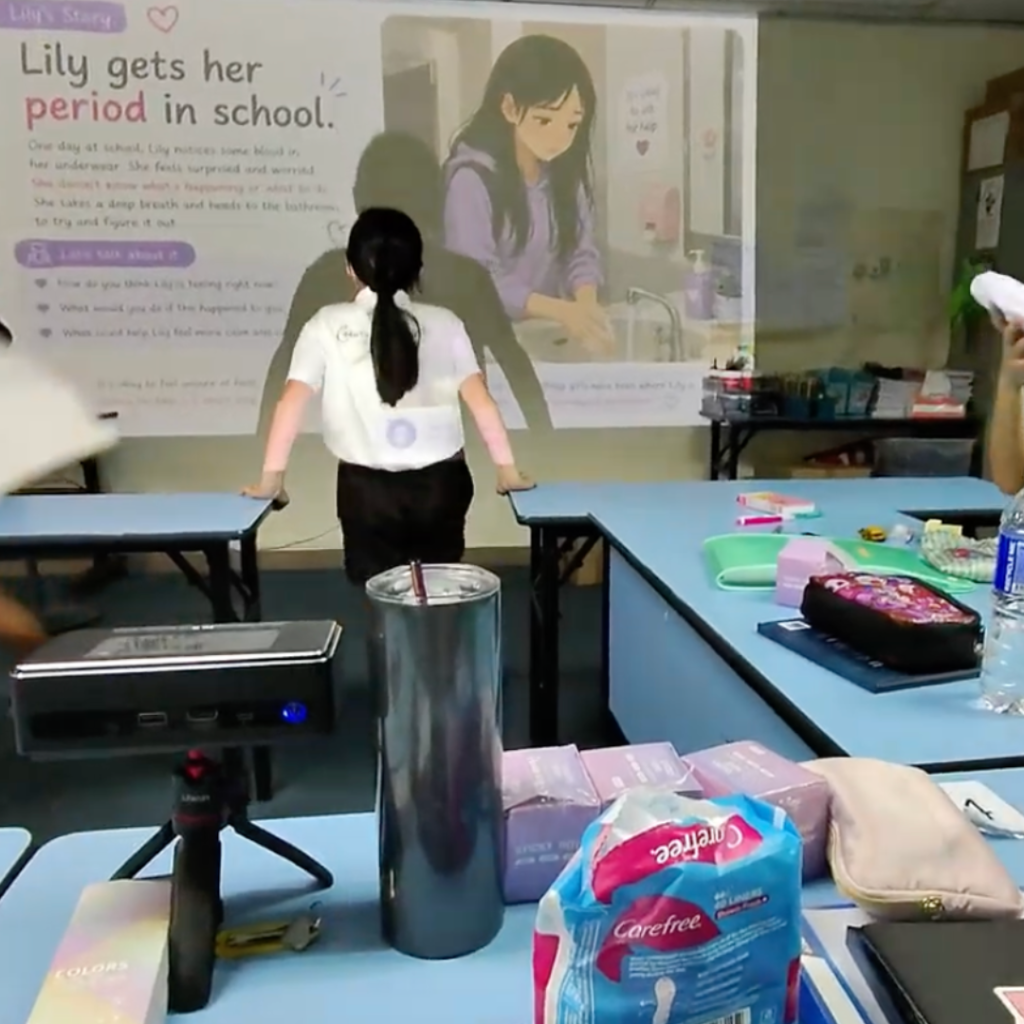
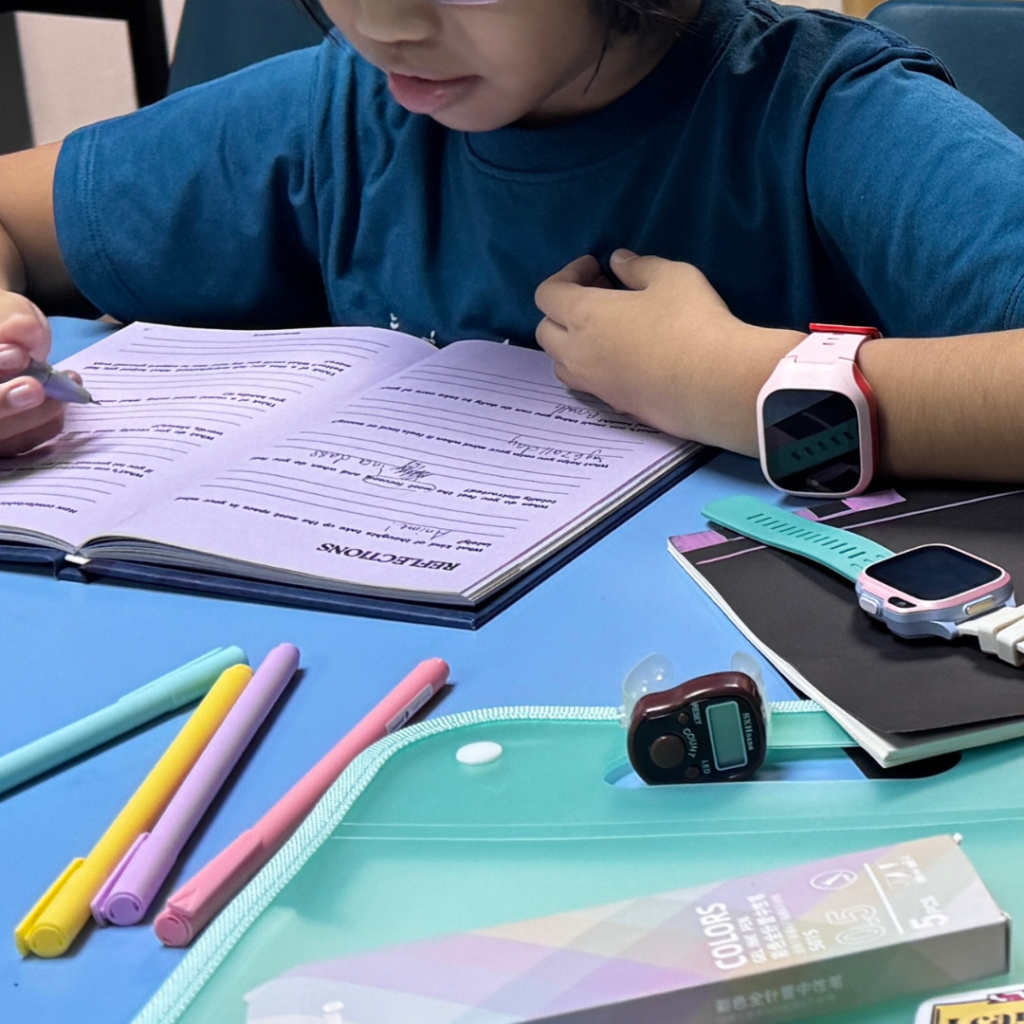
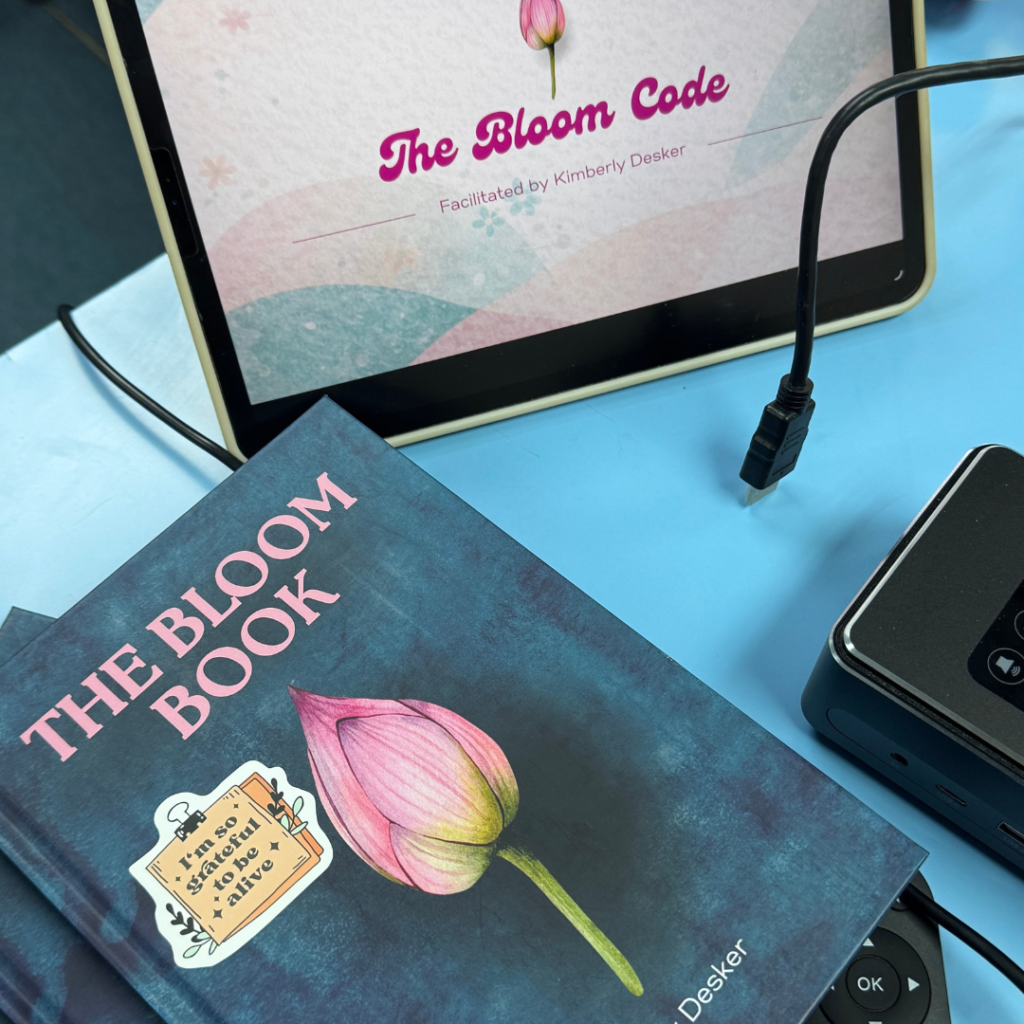
Over the past few weeks, I’ve been volunteering The Bloom Code at Hong Kah North Community Club — a programme based on The Bloom Book, a guided journal and personal development resource designed to help girls better understand themselves, build confidence, navigate friendships, and grow through life’s changes. As we reached the halfway point of the programme, one thing stood out more than anything else. The questions.
At the beginning, many of the girls were quiet and reserved. Like most children entering a new environment, they were cautious. They listened more than they spoke. They watched before they participated. But as the weeks passed and trust began to grow, the questions started to emerge, of course, along with their noisy chatter. But, the questions also poured in. Questions about friendships. Questions about their bodies. Questions about emotions. Questions about growing up and trying to understand situations they were experiencing at school, at home, and within themselves. Soon after came the stories. Their stories.
Stories about disagreements with friends. Stories about feeling left out. Stories about uncertainty, disappointment, embarrassment, and self-doubt. And surprisingly (not surprisingly), stories about their relationships. None of these stories were part of the lesson plan., but girls shared them like case studies because they felt safe enough to do so. And that reminded me of something important.
Children often have far more on their minds than adults realise. Even at ten years old, many are already navigating complicated social relationships, comparing themselves to others, questioning their abilities, and trying to make sense of emotions they may not yet have the language to describe. They are observing the world around them. They are forming beliefs about themselves. They are deciding what kind of person they are and where they fit in.
Yet adults can sometimes assume these concerns are small because the children themselves are small, or young. The reality is that what feels minor to us can feel enormous to a child.
The Power of Being Heard
One of the most valuable things we can offer young people is not necessarily advice. It is space. A space where questions are welcomed. A space where curiosity is encouraged. A space where children know they can share honestly without fear of embarrassment or judgment. When children feel psychologically safe, they begin to reveal what is really on their minds. They begin to ask the questions they have been carrying for weeks, months, or sometimes even years. And often, those questions tell us far more than any worksheet or assessment ever could.
Looking Further Upstream
For much of my professional life, I have worked in spaces that support women after they have experienced significant challenges. Whether through advocacy, support services, or community programmes, the work has often focused on helping individuals navigate difficult circumstances and rebuild after hardship. That work remains essential.
But programmes like The Bloom Code have reinforced something equally important: the value of prevention. What happens before the crisis? What happens before a young girl learns to stay silent when something feels wrong? What happens before she begins to believe that her worth depends on external validation? What happens before self-doubt becomes deeply rooted? These questions sit at the heart of prevention work.
Because confidence, self-awareness, emotional literacy, and healthy boundaries do not suddenly appear when they are needed. They are built gradually over time. They are developed through conversations, experiences, reflection, and guidance.
Resilience Begins Earlier Than We Think
Resilience is often spoken about as something people demonstrate during difficult times. But resilience does not begin in a crisis. It begins long before. It begins when children learn to recognise their emotions. It begins when they are given the language to express themselves. It begins when they understand that their voice matters. It begins when they learn to trust their instincts, ask questions, seek help, and understand their own value. These lessons may seem small in the moment.
A conversation about friendship. A discussion about feelings. A question about confidence.
Yet these moments become the foundation that young people draw upon throughout their lives.
Building Roots Before Armour
As we continue the next four sessions of The Bloom Code during the June holidays, I find myself reflecting on what we are really trying to achieve.
We are not simply helping girls solve today’s problems. We are helping them build the foundations for tomorrow. Because the goal is not to prepare children to spend their lives wearing armour.
The goal is to help them develop strong roots. Roots of self-worth. Roots of confidence. Roots of emotional awareness. Roots of resilience.
When those roots are strong, girls are better equipped to navigate challenges, setbacks, relationships, and life’s inevitable uncertainties.
Not because they will never face difficulties, but because they will know who they are when they do. And perhaps that is what prevention truly looks like. Not waiting until something has gone wrong. But helping children build the strength, awareness, and confidence they need long before they encounter life’s harder moments. Building roots before armour.